
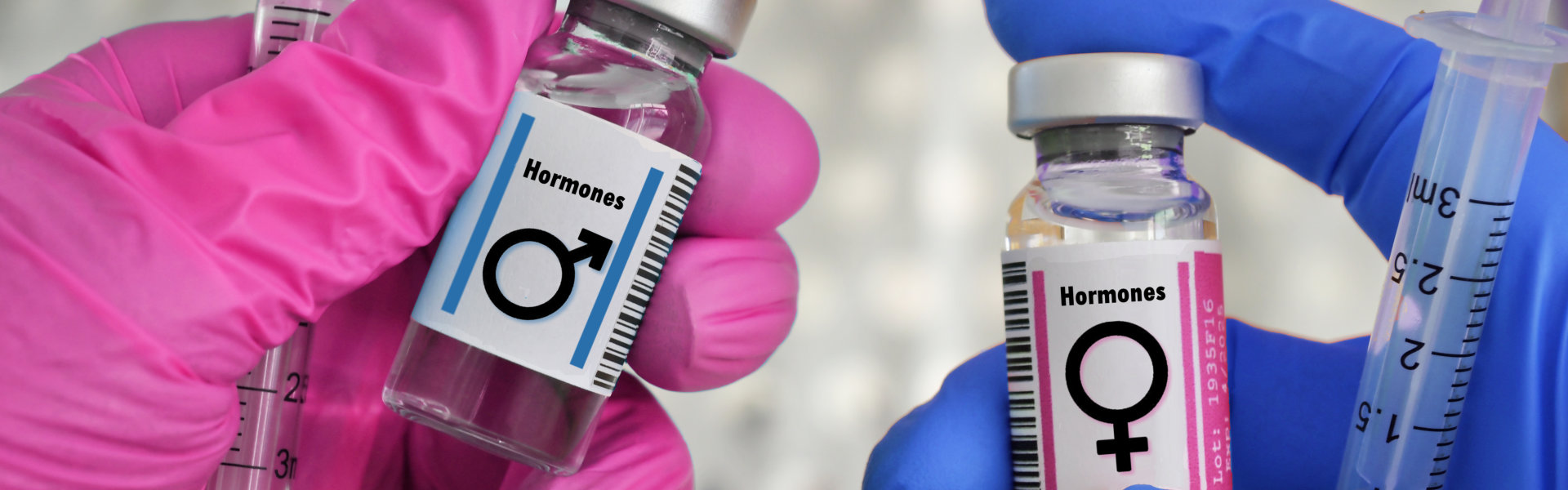
Hormone therapy for women in Bergen County is a medically supervised treatment used to address hormone imbalances that affect energy, mood, sleep, and overall well-being. In practice, patients often come in after noticing gradual changes that impact daily functioning. Treatment is carefully tailored based on symptoms, lab testing, and ongoing response monitoring.
Comprehensive Hormone Health Services
Our hormone care program addresses a wide range of health concerns through personalized evaluation, treatment, and ongoing monitoring. Explore the services available as part of your care.
Men’s Health Services
Focused care addressing men’s wellness concerns including hormones, energy levels, and preventive screenings as appropriate.
Learn MoreWomen’s Health Services
Comprehensive women’s wellness care covering hormonal balance, preventive screening, and symptom evaluation ongoing health support.
Learn MoreDetermining Hormonal Treatment Needs
We evaluate hormone levels alongside symptoms to determine whether therapy is appropriate. Safety and individualized dosing are essential parts of the process.
- Patients experiencing fatigue or mood changes may be evaluated for a hormonal imbalance.
- Individuals with sleep disruption or energy decline are assessed through clinical and lab review.
- Patients with age-related hormonal changes may benefit from a structured evaluation.
- Those with confirmed deficiencies may be considered for treatment under supervision.
Components of Hormone Therapy Care
Treatment involves ongoing monitoring to ensure safe and effective outcomes. Adjustments are made gradually based on patient response.
- Hormone Level Testing: Laboratory evaluation to determine baseline and ongoing hormone status
- Personalized Treatment Plans: Individualized therapy based on symptoms and clinical findings
- Dose Adjustment Monitoring: Regular review to optimize balance and minimize side effects
- Symptom Tracking: Ongoing assessment of energy, mood, sleep, and physical changes
- Follow-Up Care Visits: Structured visits to ensure safety and treatment effectiveness
When Hormone Evaluation Is Important
Hormonal changes often develop slowly and may be mistaken for normal aging or stress. Persistent symptoms affecting quality of life should be evaluated clinically. Early assessment helps identify whether treatment is appropriate and safe.
Building a Safe and Sustainable Treatment Approach
A structured hormone therapy plan relies on consistency, clinical oversight, and periodic reassessment rather than rapid changes. Treatment response can vary according to baseline hormone levels, symptoms, medical history, and other health factors, making follow-up an important part of responsible care. Monitoring provides the clinical team with the information needed to evaluate progress and determine whether the current plan remains appropriate. This long-term perspective also connects hormone management with broader wellness priorities, including preventive care, metabolic health, healthy weight support, sleep quality, and sustained daily function. Coordinated care helps keep treatment decisions aligned with current findings and changing health needs.
Frequently Asked Questions
What can hormone replacement therapy help address?
How does hormone replacement therapy work?
Can hormone therapy support changes in energy and sleep?
What tests can support a hormone therapy evaluation?
How can treatment progress be monitored?
Can hormone therapy doses change over time?
What can affect suitability for hormone replacement therapy?
Ready to take control of your health and wellness? Contact us today to connect with our care team and get started.
Take the Next Step in Your Health Journey
Access psychiatric care from the comfort of your home, workplace, or another private location. Schedule an appointment to discuss your mental health needs with a qualified provider.
Set an Appointment